
Posted in Uncategorized on February 24, 2026
Property Damage Attorney in Huntsville, AL: What to Do After Tornado, Wind, or Fire Loss
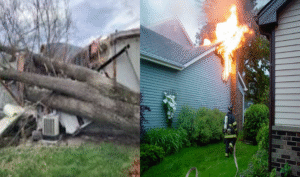
When a tornado, windstorm, or fire damages your home, your world can change overnight. Beyond the emotional toll, you’re suddenly facing insurance adjusters, repair estimates, temporary housing, and complicated policy language.
If you’re searching for a property damage attorney, insurance claim lawyer, or homeowners insurance claim attorney in Huntsville, AL, here’s what you need to know to protect your rights and maximize your insurance claim.
Why You May Need a Property Damage Attorney
Insurance companies have full-time lobbyists, public relations teams, lawyers, and adjusters. They draft and revise their own policies—often narrowing coverage rather than expanding it. Many policyholders don’t fully understand what their homeowners’ insurance policy actually covers until after a loss occurs.
Unfortunately, valid property damage claims are sometimes:
-
Delayed without explanation
-
Underpaid based on low estimates
-
Denied due to technical policy interpretations
You do have rights under Alabama law. A qualified property damage attorney can help you challenge unfair claim denials, underpayments, and bad faith insurance practices.
What to Do Immediately After Tornado, Wind, or Fire Damage
If you’ve experienced storm damage, fire damage, or major property loss, follow these steps to protect your homeowners’ insurance claim.
1. Report the Insurance Claim Immediately
Contact your insurance company as soon as possible to report the loss. Delays can complicate your claim and may affect your rights under your policy.
2. Take Care of Immediate Needs First
Your family’s safety and well-being come first. Secure shelter, food, clothing, and essential medications before focusing on paperwork.
3. Secure Temporary Housing (Alternative Living Expenses)
Most homeowners’ insurance policies include Additional Living Expense (ALE) coverage. If your home is uninhabitable, your insurer should pay for:
-
Temporary housing of a similar size
-
Hotel stays
-
Rental homes
-
Certain related living expenses
If your insurance company is not assisting with relocation, speak with a property damage lawyer.
4. Take Photos and Video Before Cleanup
Before any cleanup begins:
-
Photograph every room
-
Document structural damage
-
Capture damaged contents
Visual proof is critical in a disputed insurance claim.
5. Contact the Red Cross if Necessary
In severe losses, register with a case manager at the American Red Cross. They can provide emergency assistance and referrals to community resources.
Protecting Your Insurance Claim During Cleanup & Repairs
Be Careful with Remediation Companies
Your insurance company may recommend cleanup companies such as:
-
Servpro
-
Paul Davis Restoration
Before work begins:
-
Confirm the insurer agrees to pay the remediation company directly
-
Do not agree to pay large out-of-pocket amounts upfront
-
Keep written documentation of all conversations
Water damage claims in particular are often minimized by insurers attempting to limit the scope of repairs.
Keep Detailed Notes (Start a Claim Journal)
Document:
-
Who you spoke with
-
Date and time
-
What was discussed
-
Any promises made
Keep all claim-related documents in one organized file.
Do Not Rush to Sign Repair Contracts
Avoid signing contracts with contractors recommended by your insurer without:
-
Getting a second estimate
-
Reviewing all paperwork carefully
-
Keeping copies of everything you sign
An experienced insurance claim attorney can review contracts before you commit.
Inventory: The Key to Maximizing Your Claim
Before a Loss (If Possible)
We strongly recommend homeowners:
-
Create a video walkthrough of your home
-
Photograph closets, furniture, and valuables
-
Prepare a written inventory
-
Store copies offsite or digitally
This dramatically simplifies a property damage claim.
After a Loss
Request a contents inventory worksheet from your insurer.
Then:
-
Go room by room
-
List all damaged or destroyed items
-
Include purchase dates (approximate is acceptable)
-
Research replacement costs online
Do not rush this process. Large claims often justify hiring a contents valuation expert.
Storage Costs
If undamaged furniture must be stored due to structural repairs, your insurer should cover reasonable storage costs.
Understanding Key Insurance Policy Provisions
Replacement Cost Coverage
Most homeowners’ policies are replacement cost policies, meaning you are entitled to the cost of replacing damaged property—not just depreciated value.
If your insurance company is only offering “actual cash value,” speak to a property damage attorney about your options.
Other Structures Coverage
Your policy likely includes separate coverage for:
-
Detached garages
-
Storage buildings
-
Fences
-
Sheds
Many homeowners overlook this category.
Appraisal Clause
Most policies contain an appraisal provision allowing disputes over value to be resolved by independent appraisers.
Important:
A loss appraiser is not the same as a real estate appraiser. If considering appraisal, consult a qualified loss appraiser or insurance dispute attorney first.
Duties After Loss
Carefully read your policy’s “Duties After Loss” section. Typically, you must:
-
Allow property inspections
-
Provide documentation
-
Mitigate further damage
Failure to comply can affect your claim.
Common Insurance Claim Problems
Delays in Payment
Most homeowners’ insurance claims should be substantially resolved within 60–90 days. Habitual delays may indicate bad faith.
Underpayment of Claims
Insurance adjuster estimates are often lower than independent contractor estimates. You are not required to accept an unreasonably low offer.
Claim Denials
If your property damage claim is denied, a property damage attorney can review:
-
The denial letter
-
Policy exclusions
-
Investigation procedures
-
Whether Alabama’s bad faith law applies
Policy Cancellation After a Large Loss
Some insurers cancel coverage after significant claims. This does not affect coverage for the loss that already occurred. The policy in force on the date of loss controls your claim.
When to Contact a Property Damage Attorney in Alabama
Consider speaking with a property damage lawyer if:
-
Your claim has been denied
-
The settlement offer seems too low
-
Payments are delayed without explanation
-
You feel pressured to accept an unfair settlement
-
Your insurer is not covering ALE or storage costs
-
You suspect bad-faith insurance practices
Homeowners insurance disputes are complex and governed by contract law and Alabama statutes.
Experienced Property Damage Attorneys in Huntsville, Alabama
At Conchin Cole Jordan & Sherrod, our attorney, Gary Conchin, has handled thousands of cases in Alabama and Tennessee state and federal courts. We offer more than 100 years of combined experience litigating:
-
Tornado damage claims
-
Windstorm property damage claims
-
Fire loss claims
-
Homeowners insurance disputes
-
Insurance bad faith cases
We do not represent insurance companies. We represent policyholders.
If you are not receiving the response, help, or compensation you believe you are entitled to, call our Huntsville office at (256) 705-7777 or visit www.alainjurylaw.com to schedule a consultation.